William Dodson — widely known as the "Caitlyn the dog abuser" after he pleaded guilty to animal cruelty last year — was denied parole Wednesday. He will serve out the six-month remainder of his sentence. In March, the 43-year-old was sentenced to serve five years in state prison after he pleaded guilty to felony ill…

THIS POOR ADOPTED DOG RETURNS TO THE SHELTER TWELVE TIMES – THEN THE STAFF REALIZE THE HEARTBREAKING TRUTH!
In the following heartbreaking story, you’ll get to meet Gumby. Our frien is around four years old and has had major problems finding a home. He’s been adopted by several families, but was returned to the shelter every time, where numerous other four-legged friends were also waiting to get to a family. The question is, why did Gumby…

NYC Subway Bans Dogs Unless They Fit Into A Bag, And New Yorkers’ Solution Is Hilariously Clever
New York City Subway decided to implement a new rule which entails the prohibition of dogs on the subway unless they fit into a bag. It obviously implied that big dogs couldn’t travel through the subway, however, since they didn’t really put up any weight limitations in the rule, dog owners managed to bend the…

What Dog Breed Are You? The Most Popular Types of American Dog
What dog breed are you looking for for a companion in the house? Many houses in America has adopted or purchased dog. If you don’t know what breed you want, probably you can learn something from the most popular list below. When many people choose certain dog breed, then it means the breeds have something…

How Can You Tell What Types of Bulldogs You Have
Are you wondering about the types of bulldogs that currently live together with you? Or probably you adore a bulldog you saw recently in the park? To be able to determine the type of a bulldog, you should pay attention to three things: the size, the shape of face, and the shape of legs. Types…
Some Trusted Newfoundland Dog Breeders
Finding certified Newfoundland dog breeders is a must. Otherwise, you will meet some illegal breeder that will make the dog look “appealing” and “pretty” just to get your attention. Later on when your loving pet got sick, the breeder cannot be contacted. Therefore, you need to have some trusted breeders in your pocket. Jalynn Kennel…
In Our Review : Gravy Train Dog Food
Gravy Train is a commercial dog food from America that was developed by General Foods. This Gravy Train dog food is owned by Big Heart Pet Brands, a subsidiary of the Del Monte Pet Products group. There are various types of dog food produced by Gravy Train. Some of which are Gravy Train dried foods…

American Bulldog Puppies Info Before You Own Him
Voted for their loving and caring nature, american bulldog puppies still keep the top position for the most favorite pet. Even though bulldogs are popular for its high energy level, there are some breeds that could match the pace of the couch potato person. If you plan to adopt or buy one, this is only…

Bulldog Puppies Characters You Must Know
If you own bulldogs, especially bulldog puppies, then you may want to take your time reading the explanation of the origin and history and the characteristics of these breeds. An English Bulldog is one of popular breeds of dog that is so adorable and lovely, especially the puppies. So, here are things you should know…

12 Things You Didn’t Know about the Blue French Bulldog
The Blue French Bulldog is not different from other French Bulldog except for the coloration of the dog’s fur. The dog is very masculine that makes a good companion. If you are fond of this dog, there are 12 things you didn’t know about the Blue French Bulldog. What are they? Check them out in…
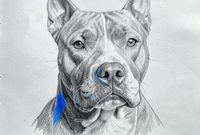
Everything You Should Know about Blue Nose Pitbull
If you ever heard about Blue Nose Pitbull, what you have in mind is that they are a dangerous and fierce breed of dogs. However, you can’t judge the book from its cover, right? Yes, even if they are physically strong and scary looking dogs, Blue Nose Pitbull is actually friendly dog. Therefore, here are…
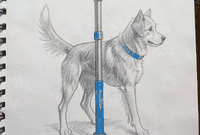
Upgrade Physical Condition With Flirt Pole Dog Training
A pole flirt is also called a flirt stick, a sports equipment for dogs that can lure a dog to pursue the bait. The bait from the tool moves quickly, which makes the dog feel happy and challenged. This equipment is often used to train the physical condition of the dog that aims to improve…
Things You Need to Understand About Reactive Dog Training Tips
How to Crate Train an Adult Dog Who Has Never Been Crated
An adult dog who has never been crated may see a wire door, plastic walls and a locking latch as confinement rather than rest. This is especially likely if the dog came from a pound, rescue or stressful boarding environment where limited space meant little choice. Training must be voluntary and gradual; forcing an anxious dog inside can create fear that takes much longer to undo.
The aim is to build a clear association between the crate and safety, rest and predictable rewards. Progress depends on body language, not a schedule, and an adult dog may need days or weeks longer than a puppy. A crate should remain optional: some dogs relax there, while others are better served by a bed, pen or room gate.
Check Why the Dog Is Unsettled
Before buying equipment, observe how the dog responds to confinement elsewhere. A dog that settles in a travel crate, bed or playpen may simply lack experience. One that struggles with doors, car travel, being left alone or handling may have had a frightening experience. Sudden behavioural changes warrant a veterinary check because pain, hearing loss or illness can affect coping.
Adult dogs from Australian council pounds and rescue networks often arrive with incomplete histories. Their previous housing may have included a kennel, but being locked in a run for hours differs from choosing to enter a comfortable crate. Ask the shelter or foster carer about known triggers, and note what the dog ate, rested and did during each session. Records reveal readiness more accurately than a calendar.
Crate training cannot resolve severe separation anxiety, and treating barking as stubbornness can worsen it. If the dog destroys bedding, injures itself trying to escape, pants heavily or vocalises continuously from the first closure, reduce the challenge and speak with a veterinarian. A qualified behaviour professional can distinguish confinement fear from broader distress and build a safer plan.
Choose and Position the Crate
Choose a crate that allows the dog to stand without crouching, turn around and lie down with its legs extended. For an adult dog, size is easier to judge than for a growing puppy, but measure the dog rather than relying on breed labels. Select a rigid, well-made model with secure latches from a reputable Australian pet retailer, checking dimensions and return policy before ordering online.
Place the crate in a quiet, stable part of the home where the dog can hear the household but is not beside the front door or in heavy foot traffic. Avoid a damp garage, detached shed or exposed verandah. Australian weather can change quickly, and a crate in a Brisbane summer can overheat even when the house feels comfortable; Melbourne mornings can be cold while afternoons are warm. Indoor placement with shade and airflow is more reliable.
Line the base with a washable, non-slip mat and add a familiar blanket only if the dog does not immediately chew bedding. Remove a collar and harness for unsupervised settling if clips or tags can catch on mesh, and never attach the dog to the crate. Leave the door open during early sessions. A secure latch matters later, but the first priority is making the area feel safe rather than trapping the dog inside.
Create a Positive First Association
Use high-value treats, ordinary chews and later part of the dog’s meals to make the crate rewarding. Toss treats into the empty crate, allow investigation and praise calm exploration without pushing the dog in. A cue such as “crate” or “bed” can eventually signal that food and a pleasant place are available, but it must never predict something unpleasant.
If the dog approaches but will not cross the threshold, place a treat just inside and let the dog take it without pressure. Some need several repetitions before eating inside; others enter for a chew but object to the door moving. Work at the easiest point the dog can manage. For a dog that guards food, avoid using meals inside at first, since training should not create competition over valuable resources.
Once the dog enters willingly, sit beside the crate while it eats or rests, then close the door briefly while you remain visible. Open it again before the dog becomes tense. The first closure might last only a second, and that is enough. Reward quiet behaviour through the bars, but do not keep the door shut merely because the dog is vocalising. Calm, voluntary repetitions teach more than a long session ending in panic.
Increase Duration Gradually
Raise the challenge only after the dog can enter, eat and settle without persistent stress. A progression might be brief closures, a minute of eating nearby, a short rest, then a few minutes alone in another room. Exact times matter less than the response: if the dog settles, lengthen the next session slightly; if pacing, panting or escape attempts begin, return to the previous stage. Do not increase duration and separation distance simultaneously.
Teach the dog to enjoy the crate before expecting it to tolerate absence. Sit out of sight for a moment, return before the dog reacts, and reward after a calm reunion. This is counter-conditioning, not extinction training. For some adult dogs, hearing the door of another room is the hardest part, so use a visual barrier or move only a short distance away initially. A pet camera can reveal body language hidden by a closed bedroom door.
Fear around other dogs can colour confinement, especially if the dog must be separated while visitors or another animal are present. Keep those experiences predictable and give the dog space rather than forcing introductions. The principles in socialising a shy dog can help owners avoid turning a walk or visitor into a confrontation. A relaxed dog at a cafe, Royal Park in Melbourne or Centennial Park in Sydney will usually settle more readily than one still bracing for an encounter.
Fit Crating Into an Australian Routine
Build the routine around the dog’s normal needs. Many Australian households call the evening outing their arvo walk or walkies, and using that familiar rhythm can help: take the dog out for toileting, offer a calm sniff walk or training session, give water, then offer the crate before a nap. A busy Melbourne CBD apartment or Sydney terrace may mean the owner is nearby but the dog needs a secure rest space; a rural property may allow a different arrangement.
Toilet routines should happen before crating, not through the bars, and the dog should have another toilet break as soon as the owner returns. A crate does not excuse a dog from regular outdoor breaks. After a wet or muddy walk, clean the feet before bringing the dog in so damp paws do not make its bedding unpleasant. This cleaning your dog’s paws routine also helps check for grit, thorns or paw injuries that might make the floor uncomfortable.
Crate time should complement activity rather than replace enrichment. Scatter food, use a slow feeder, hide treats around the home or provide appropriate chew work on other days. Rotate chews safely and inspect them for cracks or swallowed pieces. On long drives, secure the crate in the vehicle, but never leave a crated dog in a parked car during summer; cabin temperatures rise quickly, and a crate does not make a vehicle safe. At home, apply the same shade and ventilation rules in every Australian climate.
Handle Setbacks and Maintain Welfare
Some barking at first is normal uncertainty, but it is not a success signal by itself. Watch posture rather than the clock: relaxed muscles, a loose body, a resting head and normal breathing suggest comfort. Repeated barking, drooling, frantic scratching or attempts to force the door indicate that the challenge is too difficult. Move back a stage, reduce time alone and try again later. Punishing barking teaches suppression without addressing the reason and may damage trust.
Toileting accidents, destructive chewing and refusal to enter are separate problems with separate solutions. Schedule more outdoor breaks after meals, provide a chew suited to the dog’s chewing style, and return to a threshold game if the dog stops offering the desired behaviour. If the dog soils the crate immediately, inspect for illness or anxiety rather than assuming poor training. For severe fear, seek a veterinary behaviour referral; Australian pet insurance may contribute to covered veterinary costs depending on the policy wording.
Over time, use the crate regularly enough that it remains familiar, but do not make confinement the dog’s default state. Keep it open for voluntary naps, provide daily alternatives and reassess comfort for senior dogs or dogs with changing mobility. A well-paced routine can turn an unfamiliar enclosure into a dependable resting place, giving the dog a secure option while respecting its need for space, company and choice.
[Cadaver Dog Training] Dogs Can be Trained in Their Smell to Find Illicit Goods
Dogs are animals that can help human work. Dogs can help humans in hunting, guarding goats, carrying burdens, saving, searching, securing, guiding, even dogs can be used for psychological therapy. To be able to do various things that are useful, then the dog needs to be given proper and intensive training. This training can be…
How to Train a Blind Dog?
Dogs are born not yet understand how to play, urinate or dirt in the right place. Moreover, if your dog is born or because other causes have blindness. So you have to train it with extra. Therefore, you need the right how to train a blind dog. You may have to spend several months teaching…

How to Train a Dog to Stop Barking?
Barking is a natural sound of dogs, but barking can be problematic if not controlled. If your dog has an irritating barking habit, then you need to teach him to behave in a tantalizing and barking manner when having a definite cause. How to train a dog to stop barking this should be done slowly…
Trusted Dog Training in Harrisburg PA
There might more than ten places for dog training in Harrisbug, PA. No wonder, you might have difficult time to make up your mind and choose one. If you take a look at the service, they can be similar in many ways. Thus, to find the most suitable one, you need to observe closer how…
Trying to find the great place for dog training in Gainesville FI?
Trying to find the great place for dog training in Gainesville FI? Then you probably have difficulties with your dog; either it is your puppy or your aged dog. Another possible reason is you want specific training for your dog, possibly a service dog. There are answers for each question, and every training center also…
How Can You Tell What Types of Pit Bulls You Have?
There are so many types of pit bulls that you can have in your house. Pit Bulls are undoubtedly a type of dog that almost all dog lovers adore. This kind of dog have some charm and attraction that no one can deny. From all of the types, there the some types that people like…

The Best Therapy Dog Training at AZ
If you have problems with anything and you live in Arizona, then it is recommended for you to go to therapy dog training at AZ. There are a lot of therapy places for human and dogs there. You can choose base on what problems you have. For your reference, here is some therapy dog training…

This Is What We Think About Starmark Pro Training Dog Collar
A product named Starmark Pro training dog collar recently creates the headlines for being the most comfortable and trusted tools in dog training. It is recommended by many trainers and magazine as the must have item for those who are currently training their dogs. This level of reputation must have a good background and reasons.…

Advanced and Excellent Dog Training in Columbia Md
It is not too much to ask the upgraded version of dog training in Columbia, MD. Almost all of the training centers offer beneficial program to train the dog based on owner’s request. The amazing point is in each program, you, the owner, will be enriched with appropriate information about dog training. Find more information…

Best Dog Training Shock Collars Reviews
If you are looking for the best dog training collars reviews, you clicked the right article. There is no point in letting your dog misbehaving; therefore you should tame it immediately. These shock collars won’t give harm to your dog as it will act only as a reminder to it. Sportdog Field Trainer 425 You…
Top Places of Dog Training in Chico Ca
Finding the best dog training in Chico, CA might not be as easy as expected. There are a lot of training centers offering their programs to you, the costumers. As the owner of four legged pet at home, you cannot help but agree that they sometimes give you a hard time. Thus, you need help…
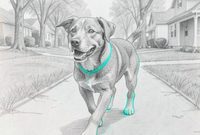
Choose Your Favorite Dog Training center at Winston Salem
If you stay at Winston - Salem and you are about to train your dog but you do not know yet where to go, maybe you should try these Dog Training centers at Winston Salem. They offer you the best service that your dog will ever receive. No matter what type of your dog is, a…
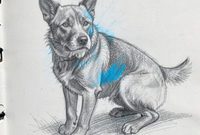
Proper Coon Dog Training
Coon dog training refers to set of activities to familiarize the four legged mammal that bred especially to hunt raccoons. It has high energy level to match the activity it is supposed to perform. To steps on proper coon dog training, you have to know when the appropriate age to start is and how to…

The Best Dog Training in Salt Lake City
Are you a dog owner who lives in Salt Lake City and in search of dog training that City? If you do, then you have just found the right article. You might have a doubt in trusting people to take care of your dog. Rests assure, these are the best dog trainings you can count on:…