William Dodson — widely known as the "Caitlyn the dog abuser" after he pleaded guilty to animal cruelty last year — was denied parole Wednesday. He will serve out the six-month remainder of his sentence. In March, the 43-year-old was sentenced to serve five years in state prison after he pleaded guilty to felony ill…
THIS POOR ADOPTED DOG RETURNS TO THE SHELTER TWELVE TIMES – THEN THE STAFF REALIZE THE HEARTBREAKING TRUTH!
In the following heartbreaking story, you’ll get to meet Gumby. Our frien is around four years old and has had major problems finding a home. He’s been adopted by several families, but was returned to the shelter every time, where numerous other four-legged friends were also waiting to get to a family. The question is, why did Gumby…

NYC Subway Bans Dogs Unless They Fit Into A Bag, And New Yorkers’ Solution Is Hilariously Clever
New York City Subway decided to implement a new rule which entails the prohibition of dogs on the subway unless they fit into a bag. It obviously implied that big dogs couldn’t travel through the subway, however, since they didn’t really put up any weight limitations in the rule, dog owners managed to bend the…
What Dog Breed Are You? The Most Popular Types of American Dog
What dog breed are you looking for for a companion in the house? Many houses in America has adopted or purchased dog. If you don’t know what breed you want, probably you can learn something from the most popular list below. When many people choose certain dog breed, then it means the breeds have something…
How Can You Tell What Types of Bulldogs You Have
Are you wondering about the types of bulldogs that currently live together with you? Or probably you adore a bulldog you saw recently in the park? To be able to determine the type of a bulldog, you should pay attention to three things: the size, the shape of face, and the shape of legs. Types…
Some Trusted Newfoundland Dog Breeders
Finding certified Newfoundland dog breeders is a must. Otherwise, you will meet some illegal breeder that will make the dog look “appealing” and “pretty” just to get your attention. Later on when your loving pet got sick, the breeder cannot be contacted. Therefore, you need to have some trusted breeders in your pocket. Jalynn Kennel…
In Our Review : Gravy Train Dog Food
Gravy Train is a commercial dog food from America that was developed by General Foods. This Gravy Train dog food is owned by Big Heart Pet Brands, a subsidiary of the Del Monte Pet Products group. There are various types of dog food produced by Gravy Train. Some of which are Gravy Train dried foods…
American Bulldog Puppies Info Before You Own Him
Voted for their loving and caring nature, american bulldog puppies still keep the top position for the most favorite pet. Even though bulldogs are popular for its high energy level, there are some breeds that could match the pace of the couch potato person. If you plan to adopt or buy one, this is only…
Bulldog Puppies Characters You Must Know
If you own bulldogs, especially bulldog puppies, then you may want to take your time reading the explanation of the origin and history and the characteristics of these breeds. An English Bulldog is one of popular breeds of dog that is so adorable and lovely, especially the puppies. So, here are things you should know…
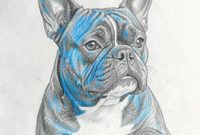
12 Things You Didn’t Know about the Blue French Bulldog
The Blue French Bulldog is not different from other French Bulldog except for the coloration of the dog’s fur. The dog is very masculine that makes a good companion. If you are fond of this dog, there are 12 things you didn’t know about the Blue French Bulldog. What are they? Check them out in…
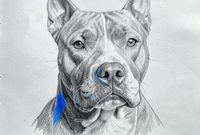
Everything You Should Know about Blue Nose Pitbull
If you ever heard about Blue Nose Pitbull, what you have in mind is that they are a dangerous and fierce breed of dogs. However, you can’t judge the book from its cover, right? Yes, even if they are physically strong and scary looking dogs, Blue Nose Pitbull is actually friendly dog. Therefore, here are…
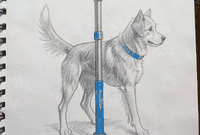
Upgrade Physical Condition With Flirt Pole Dog Training
A pole flirt is also called a flirt stick, a sports equipment for dogs that can lure a dog to pursue the bait. The bait from the tool moves quickly, which makes the dog feel happy and challenged. This equipment is often used to train the physical condition of the dog that aims to improve…
Things You Need to Understand About Reactive Dog Training Tips
Helping Your Dog Overcome Fear of the Car
Load the boot, clip the seatbelt, turn the key, and there it is: the whimper from the back seat. Some dogs pace, some claw at the door, and some refuse to move at all. For plenty of Australian households, the family car is the single most stressful part of caring for a dog, and it quietly rules out weekend trips to the coast, visits to friends, and any routine trip to the veterinary clinic.
Car fear is not stubbornness or defiance. It is a learned emotional response, and it almost always starts with something specific: a roaring engine, a sudden brake, a bumpy run to the vet, or one painful injection remembered for years. Dogs build associations quickly, and the metal box on four wheels stays in their memory long after the trip ends. Add a trip to the pound, or a scolding when your dog slobbered across the seats, and the meaning of the car changes permanently.
The good news is that fear of car rides responds to patient, systematic work — a process behaviourists call desensitisation and counter-conditioning. You change what the car represents in your dog's mind, moving it from the place where awful things happen to the place where treats, chews and calm happen. Progress is rarely a straight line, and the pace depends on the individual dog, how severe the fear is, and how consistently everyone in the household sticks to the plan.
It also helps to have an early veterinary conversation. Some dogs are physically unwell in a moving vehicle, and no amount of training fixes nausea. A vet in Melbourne, Brisbane, Adelaide or Perth can rule out ear infections, vestibular problems and other sources of panic, prescribe anti-nausea medication and advise on the safest restraint for your particular dog. Pair that medical check with a training plan, and most dogs improve noticeably within a matter of weeks to a few months.
What actually triggers the fear
Sound is a common culprit. The engine's growl, the exhaust fumes, the squeal of tyres, the clunk of an automatic gearbox and the rattle of a crate all arrive together, and your dog cannot work out which one to fear. Visual triggers matter just as much: tunnels, oncoming headlights at dusk, a sea of parked cars in a shopping centre in Geelong, or a flashing truck on the highway.
Experiences matter more than instinct. A dog who was dragged out of the car after a vet visit, or was left in a hot ute, or was shouted at for barking, has every reason to dread the vehicle. So does a dog who suffered motion sickness on a long drive to the coast. Some dogs also have a genuinely anxious temperament, and there is some truth in the old saying that you cannot teach calm — which is why choosing a steady, adaptable dog is often wiser than chasing a fashionable breed. A Sydney-based guide to breeds for first-time owners is a useful starting point for anyone weighing temperament as heavily as appearance.
Watch for the pattern rather than assuming every dog reacts the same way. One dog is fine in the car until the engine starts; another is calm until the vehicle reaches speed; a third objects only to the destination. You cannot build a sensible plan until you know which of these describes your dog.
Fear, nausea or something medical
The two problems often look identical from the back seat, so learn to tell them apart. Fear shows up as panting, trembling, lowered body posture, whining, scratching at the door, or frantic attempts to escape through a window that is already closed. Nausea shows up as heavy drooling, repeated vomiting, a nose pointed towards the floor, and your dog grazing on grass immediately after the trip stops. Many dogs experience both at once, which is why the vehicle ends up soaked and the upholstery smells of bile.
A dog who has always hated the car may need a behavioural plan. A dog who was perfectly relaxed for years and has suddenly started to panic deserves a full veterinary assessment. Inner ear infections, pain in the hips or shoulders when climbing in, and, rarely, neurological conditions can all produce sudden panic in a vehicle, and treating the underlying problem often removes the behaviour without any training at all.
Ask your vet about anti-nausea medication, and mention any sedatives you have used before. Sedatives can make a dog more reactive and less coordinated, which is the opposite of what you want in a moving car. A clean history of what your dog ate, when the episode happened, and what the trip was for gives the vet far more to work with than a vague mention of "car sickness".
Restraining your dog and what the law expects
The safest and least confronting method is a crash-tested harness with a seatbelt clip, worn in the back seat, or a securely anchored crate in the boot. A loose dog in the cabin is dangerous in a sudden stop and can be killed by an airbag, and a dog riding loose in the back of a ute is a familiar Australian hazard that has ended in tragedy more than once. Never leave your dog unattended in a parked car either; an Australian summer can turn an interior into an oven in minutes.
Road rules in most states and territories require dogs to be restrained or secured in the vehicle, with fines for owners who take the risk. New South Wales expects dogs in the rear of a car to be restrained; Victoria requires dogs to be secured in a suitable container or restrained in the vehicle; Queensland applies similar rules. Requirements differ for a dog in the boot of a sedan versus the tray of a utility, so check the current rules for your state or territory rather than working from memory.
Practical comfort matters as much as legality. Fit a non-slip mat so your dog does not slide underfoot, attach the harness to the seatbelt rather than a collar, and keep the cabin cool and ventilated. If your dog travels in a crate, cover it with a light blanket and leave the chemical pheromone diffusers some owners swear by in the boot — the evidence is mixed, but they are harmless.
Turning the first trips into good ones
Do not begin with the vet. Begin with trips that go nowhere in particular: a drive to the end of the street and back, a lap around the block, or a short run to a quiet reserve on the edge of town where the only thing waiting is a grassy patch and a treat. Keep each outing under two minutes at first, and finish each one while your dog is still enjoying itself.
Feed your dog beside the car before you even start it. Cheese, peanut butter, liver paste and freeze-dried treats all work, and a frozen lick mat or a filled Kong can occupy a dog for longer than a handful of biscuits tossed in at once. Use a marker word such as "yes" for the treat and a separate release word, so your dog learns that staying calm is what pays.
Calm travels down the lead. If you sigh, tense up or apologise in a high voice, your dog reads the shift before you have even turned the key. There is a simple pleasure in a light-hearted message before the day starts — the same impulse behind sending good morning memes to friends and family — and it is worth keeping the household mood relaxed around a car trip rather than treating every departure as a crisis.
Never drag your dog in by the collar or force the door shut. If your dog cannot jump up, build a low step or use a ramp, or lift with two people, one hand under the chest and one under the hindquarters, as your vet or groomer can demonstrate.
A gradual desensitisation plan
Desensitisation means working up a ladder of steps, one rung at a time, and stopping before your dog panics. Rung one: stand near the car and feed treats. Rung two: let your dog sniff the vehicle and feed treats beside it. Rung three: your dog jumps in, you close the door, you feed treats through the open window. Rung four: the engine runs while your dog eats. Rung five: a short move down the street. Rung six: a longer drive that ends somewhere wonderful.
Only move to the next rung when the current one is easy. If your dog stops eating, starts to bark or scratches at the window, you have gone too far, so step back down and repeat the easier rung for a few sessions. Increase the length of the drive by a small amount each time — twenty per cent here and there beats doubling the distance on a good day.
Counter-conditioning is the other half of the job. Record the engine on your phone, then play it quietly while your dog eats a treat; gradually raise the volume, then play it away from the car. Practise the sound of the seatbelt click, the clunk of the boot, the chirp of indicator lights. Once your dog is comfortable, generalise: a different car, a different driver, a different route. Two or three short sessions a day in a quiet council car park on a weekend will outperform one long, exhausting attempt.
Motion sickness, heat and physical comfort
Managing the stomach often unlocks the rest of the plan. Your vet can prescribe an anti-nausea medicine given a short time before travel, and ginger-based remedies and pre-travel light meals help some dogs, though they are less reliable than medication. Feed a modest meal the night before rather than a large one immediately before the trip, and take breaks every couple of hours on long runs.
Heat deserves particular attention. In a heatwave in Adelaide, Melbourne or Canberra, a car interior can climb dangerously fast, so travel early in the morning or late in the evening, run the air conditioning before you leave, carry water, and watch for the signs of heat stress: heavy panting that does not ease, weakness, drooling, bright red gums and a dog who seems unable to settle.
Small comforts add up. Use a harness clipped in so your dog is not bouncing against the seat, keep a familiar blanket in the crate, and open a window slightly if the weather allows. Some dogs are triggered by the smell of other dogs in the vehicle, so a clean cabin matters more than people expect.
Steps to put into place this week
- Book a veterinary check to rule out nausea, ear problems and pain before you begin any training, and ask about anti-nausea medication if your dog drools or vomits.
- Set up a two-week ladder of short, boring outings with high-value treats, keeping every session below the point where your dog panics.
- Fit a crash-tested harness with a seatbelt clip or anchor a crate properly, and check the road rules for restraining dogs in your state or territory.
- Keep a treat pouch and a lick mat in the vehicle from day one, so rewarding calm is something you can actually do mid-drive.
- Note each session in a phone reminder, and treat a relapse after a difficult trip as information rather than failure — step back down the ladder and rebuild.
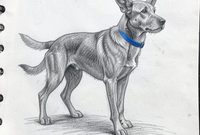
[Cadaver Dog Training] Dogs Can be Trained in Their Smell to Find Illicit Goods
Dogs are animals that can help human work. Dogs can help humans in hunting, guarding goats, carrying burdens, saving, searching, securing, guiding, even dogs can be used for psychological therapy. To be able to do various things that are useful, then the dog needs to be given proper and intensive training. This training can be…
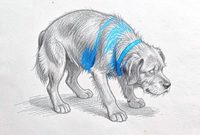
How to Train a Blind Dog?
Dogs are born not yet understand how to play, urinate or dirt in the right place. Moreover, if your dog is born or because other causes have blindness. So you have to train it with extra. Therefore, you need the right how to train a blind dog. You may have to spend several months teaching…
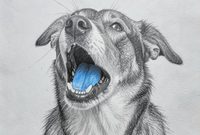
How to Train a Dog to Stop Barking?
Barking is a natural sound of dogs, but barking can be problematic if not controlled. If your dog has an irritating barking habit, then you need to teach him to behave in a tantalizing and barking manner when having a definite cause. How to train a dog to stop barking this should be done slowly…
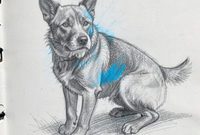
Trusted Dog Training in Harrisburg PA
There might more than ten places for dog training in Harrisbug, PA. No wonder, you might have difficult time to make up your mind and choose one. If you take a look at the service, they can be similar in many ways. Thus, to find the most suitable one, you need to observe closer how…
Trying to find the great place for dog training in Gainesville FI?
Trying to find the great place for dog training in Gainesville FI? Then you probably have difficulties with your dog; either it is your puppy or your aged dog. Another possible reason is you want specific training for your dog, possibly a service dog. There are answers for each question, and every training center also…
How Can You Tell What Types of Pit Bulls You Have?
There are so many types of pit bulls that you can have in your house. Pit Bulls are undoubtedly a type of dog that almost all dog lovers adore. This kind of dog have some charm and attraction that no one can deny. From all of the types, there the some types that people like…
The Best Therapy Dog Training at AZ
If you have problems with anything and you live in Arizona, then it is recommended for you to go to therapy dog training at AZ. There are a lot of therapy places for human and dogs there. You can choose base on what problems you have. For your reference, here is some therapy dog training…
This Is What We Think About Starmark Pro Training Dog Collar
A product named Starmark Pro training dog collar recently creates the headlines for being the most comfortable and trusted tools in dog training. It is recommended by many trainers and magazine as the must have item for those who are currently training their dogs. This level of reputation must have a good background and reasons.…
Advanced and Excellent Dog Training in Columbia Md
It is not too much to ask the upgraded version of dog training in Columbia, MD. Almost all of the training centers offer beneficial program to train the dog based on owner’s request. The amazing point is in each program, you, the owner, will be enriched with appropriate information about dog training. Find more information…
Best Dog Training Shock Collars Reviews
If you are looking for the best dog training collars reviews, you clicked the right article. There is no point in letting your dog misbehaving; therefore you should tame it immediately. These shock collars won’t give harm to your dog as it will act only as a reminder to it. Sportdog Field Trainer 425 You…
Top Places of Dog Training in Chico Ca
Finding the best dog training in Chico, CA might not be as easy as expected. There are a lot of training centers offering their programs to you, the costumers. As the owner of four legged pet at home, you cannot help but agree that they sometimes give you a hard time. Thus, you need help…
Choose Your Favorite Dog Training center at Winston Salem
If you stay at Winston - Salem and you are about to train your dog but you do not know yet where to go, maybe you should try these Dog Training centers at Winston Salem. They offer you the best service that your dog will ever receive. No matter what type of your dog is, a…
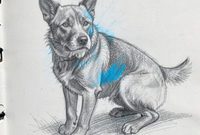
Proper Coon Dog Training
Coon dog training refers to set of activities to familiarize the four legged mammal that bred especially to hunt raccoons. It has high energy level to match the activity it is supposed to perform. To steps on proper coon dog training, you have to know when the appropriate age to start is and how to…
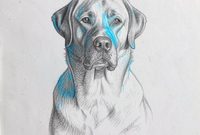
The Best Dog Training in Salt Lake City
Are you a dog owner who lives in Salt Lake City and in search of dog training that City? If you do, then you have just found the right article. You might have a doubt in trusting people to take care of your dog. Rests assure, these are the best dog trainings you can count on:…