
William Dodson — widely known as the "Caitlyn the dog abuser" after he pleaded guilty to animal cruelty last year — was denied parole Wednesday. He will serve out the six-month remainder of his sentence. In March, the 43-year-old was sentenced to serve five years in state prison after he pleaded guilty to felony ill…

THIS POOR ADOPTED DOG RETURNS TO THE SHELTER TWELVE TIMES – THEN THE STAFF REALIZE THE HEARTBREAKING TRUTH!
In the following heartbreaking story, you’ll get to meet Gumby. Our frien is around four years old and has had major problems finding a home. He’s been adopted by several families, but was returned to the shelter every time, where numerous other four-legged friends were also waiting to get to a family. The question is, why did Gumby…

NYC Subway Bans Dogs Unless They Fit Into A Bag, And New Yorkers’ Solution Is Hilariously Clever
New York City Subway decided to implement a new rule which entails the prohibition of dogs on the subway unless they fit into a bag. It obviously implied that big dogs couldn’t travel through the subway, however, since they didn’t really put up any weight limitations in the rule, dog owners managed to bend the…

What Dog Breed Are You? The Most Popular Types of American Dog
What dog breed are you looking for for a companion in the house? Many houses in America has adopted or purchased dog. If you don’t know what breed you want, probably you can learn something from the most popular list below. When many people choose certain dog breed, then it means the breeds have something…

How Can You Tell What Types of Bulldogs You Have
Are you wondering about the types of bulldogs that currently live together with you? Or probably you adore a bulldog you saw recently in the park? To be able to determine the type of a bulldog, you should pay attention to three things: the size, the shape of face, and the shape of legs. Types…
Some Trusted Newfoundland Dog Breeders
Finding certified Newfoundland dog breeders is a must. Otherwise, you will meet some illegal breeder that will make the dog look “appealing” and “pretty” just to get your attention. Later on when your loving pet got sick, the breeder cannot be contacted. Therefore, you need to have some trusted breeders in your pocket. Jalynn Kennel…

In Our Review : Gravy Train Dog Food
Gravy Train is a commercial dog food from America that was developed by General Foods. This Gravy Train dog food is owned by Big Heart Pet Brands, a subsidiary of the Del Monte Pet Products group. There are various types of dog food produced by Gravy Train. Some of which are Gravy Train dried foods…

American Bulldog Puppies Info Before You Own Him
Voted for their loving and caring nature, american bulldog puppies still keep the top position for the most favorite pet. Even though bulldogs are popular for its high energy level, there are some breeds that could match the pace of the couch potato person. If you plan to adopt or buy one, this is only…

Bulldog Puppies Characters You Must Know
If you own bulldogs, especially bulldog puppies, then you may want to take your time reading the explanation of the origin and history and the characteristics of these breeds. An English Bulldog is one of popular breeds of dog that is so adorable and lovely, especially the puppies. So, here are things you should know…

12 Things You Didn’t Know about the Blue French Bulldog
The Blue French Bulldog is not different from other French Bulldog except for the coloration of the dog’s fur. The dog is very masculine that makes a good companion. If you are fond of this dog, there are 12 things you didn’t know about the Blue French Bulldog. What are they? Check them out in…

Everything You Should Know about Blue Nose Pitbull
If you ever heard about Blue Nose Pitbull, what you have in mind is that they are a dangerous and fierce breed of dogs. However, you can’t judge the book from its cover, right? Yes, even if they are physically strong and scary looking dogs, Blue Nose Pitbull is actually friendly dog. Therefore, here are…
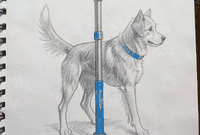
Upgrade Physical Condition With Flirt Pole Dog Training
A pole flirt is also called a flirt stick, a sports equipment for dogs that can lure a dog to pursue the bait. The bait from the tool moves quickly, which makes the dog feel happy and challenged. This equipment is often used to train the physical condition of the dog that aims to improve…
Things You Need to Understand About Reactive Dog Training Tips
Bringing a Foster Dog Into Your Australian Home
Fostering a dog can give an animal a safe place to recover while helping a rescue organisation learn more about its personality. For the dog, however, arriving at a new house is a major change. Strange rooms, unfamiliar people, different smells and a new daily rhythm can make even a friendly animal feel unsettled.
A successful foster placement begins before the dog walks through the door. You need a calm space, realistic expectations and a plan for food, toileting, exercise and introductions. The first few days should be quiet and predictable rather than packed with visitors, outings and training goals.
Every foster dog arrives with its own history. Some have lived in homes, while others may have experienced neglect, kennel stress or repeated changes of address. In Australia, rescue groups often rely on volunteer carers, so clear communication with the organisation is just as important as preparing your house.
Prepare The House And The Household
Set up one quiet area where the dog can retreat without being followed. A laundry, spare room or gated section of the living area can work well, provided it has comfortable bedding, water and good ventilation. Remove electrical cords, medicines, cleaning products, children’s toys and anything the dog might chew or swallow.
Check fences and gates carefully before arrival. A frightened dog can slip through gaps that your own dog has ignored for years, especially during the first week. Make sure doors close securely and keep the dog on a lead when moving through the front gate. In warmer parts of Australia, provide shade and avoid leaving a nervous dog in a hot courtyard, even for a short time.
Speak with everyone in the home about the plan. Children should understand that a foster dog is not automatically ready for hugs, rough play or being woken from sleep. If you already have pets, organise separate food bowls, beds and toilet areas. Ask the rescue group about the dog’s known behaviour, medical needs, diet, vaccination status and history with cats or other dogs.
Keep The First Day Calm
When you bring the dog home, take it straight to a suitable toilet area before offering a tour of the house. Give it time to sniff and observe. Keep your voice relaxed, avoid crowding and allow the dog to approach people at its own pace. Some dogs will investigate immediately; others may hide, freeze or pace for several hours.
Use the same food the dog has been eating unless a veterinarian advises a change. Sudden diet changes can cause diarrhoea, which makes an already stressful transition harder. Offer small meals, fresh water and a comfortable sleeping place. Do not worry if the dog eats little on the first evening, but contact the rescue organisation if it refuses food for an extended period or shows signs of illness.
A short lead walk may help with toileting, but the first outing should be modest and quiet. Avoid dog parks, busy shopping strips and off-leash beaches until you understand the dog’s recall and reactions. A local reserve at a calm time of day is usually a better starting point than a crowded foreshore.
First-day essentials
- Secure lead, collar and identification details
- Separate bowls, bedding and a safe retreat
- A simple food and toilet routine
- Contact details for the rescue group and veterinarian
Build Trust Through Predictability
Trust develops when the dog can predict what will happen next. Feed meals at consistent times, take toilet breaks regularly and use the same gentle cues for everyday activities. Reward calm behaviour with food, praise or access to something enjoyable. Avoid forcing contact, staring directly into the dog’s eyes or pulling it out of a hiding place.
Many foster dogs need decompression time. This can last a few days or several weeks, depending on the dog’s experiences and temperament. Early signs of stress may include yawning, lip licking, turning away, trembling, excessive panting, pacing or suddenly becoming very quiet. Give the dog distance when these signals appear and reduce the number of demands.
Some dogs follow their carer constantly because the person represents safety, food and guidance. That behaviour does not always mean the dog has separation anxiety, though it can become a problem if the dog cannot settle alone. Understanding pack-related following can help you respond calmly rather than pushing the dog away or rewarding frantic attention.
Begin alone-time practice in tiny steps. Place a baby gate between you and the dog for a minute while you remain visible, then return before distress escalates. Gradually build duration, pairing separation with a safe chew or food puzzle. Never use prolonged isolation as a test of character.
Manage Pets, Walks And Daily Life
Introductions between dogs should happen slowly and in neutral conditions. If possible, arrange a parallel walk with both dogs handled by separate adults. Keep leads loose, allow space and reward relaxed glances. Avoid forcing nose-to-nose contact. Once home, remove high-value toys and feed the dogs separately until you know how they share resources.
Cats require an even more careful arrangement. Give the cat a dog-free room with food, water, litter and elevated escape points. Use gates or a lead to prevent chasing, and reward the foster dog for looking away. Small pets such as rabbits, guinea pigs and birds should remain securely separated, regardless of how gentle the dog appears.
Keep exercise appropriate to the dog’s age, health and stress level. A dog that seems energetic may still be overwhelmed by long walks. Sniffing games, scatter feeding in a secure area and short training sessions can provide useful enrichment without excessive stimulation. In hot weather, walk early in the morning or later in the evening, and check the pavement with your hand before heading out.
Australian foster carers also need to consider council rules and local routines. Dogs generally require council registration, and requirements can differ between states and local government areas. Ask the rescue group who handles registration, microchip updates and veterinary costs. Rescue networks and platforms such as PetRescue may arrange adoption enquiries, transport or meet-and-greets, so do not promise the dog to anyone without checking the agreed process.
Daily routines that support settling
- Separate pets during meals and high-value treats
- Schedule quiet rest after walks or visitors
- Record food, toileting, medication and behaviour
- Use secure transport for every car trip
Record Behaviour And Communicate Clearly
A simple daily record helps you see patterns that are easy to miss. Note when the dog sleeps, eats, toilets, barks, plays and becomes unsettled. Record triggers such as storms, visitors, bicycles, children, other dogs or being left alone. These details help the rescue organisation make a responsible adoption match.
Avoid labelling a dog as “bad” when describing behaviour. “Barked at a person wearing a hat near the gate” is more useful than “aggressive”. Include what happened before the behaviour, what the dog did and how long it took to settle. If there is a bite, escape attempt, serious fight or sudden health change, report it promptly and follow the organisation’s safety instructions.
Training should focus on practical skills such as responding to its name, walking calmly, settling on a mat and accepting gentle handling. Use reward-based methods. Punishment can increase fear and may hide warning signs without resolving the underlying concern. For specialist support, ask the rescue group about a qualified veterinary behaviourist or force-free trainer in your area.
It is also wise to protect the dog from too much public attention. A yellow ribbon, “in training” lead sleeve or clear message to visitors can reduce unwanted approaches. Some foster carers share updates online, but photos and personal details should follow the rescue group’s privacy rules. A practical dog-care journal can provide ideas for recording routines and noticing small changes in behaviour.
Prepare For Adoption Or The Next Placement
Fostering is a temporary arrangement, so begin gathering useful information from the first week. Describe the dog’s energy level, preferred activities, comfort with handling, response to children, behaviour around other animals and ability to remain alone. Be honest about challenges. A clear account gives the dog a better chance of moving into a suitable permanent home.
Adoption meetings should take place when the dog is reasonably settled, with the rescue organisation involved. Keep the first meeting calm and avoid presenting the dog as a guaranteed fit after a brief interaction. The dog’s behaviour may change in another home, and adopters need realistic guidance about routines, training and ongoing care.
Some carers experience foster fatigue or become attached to the dog. These feelings are normal. Tell the organisation early if you need a break, additional equipment or help with transport and appointments. If the dog’s needs exceed what your household can safely provide, asking for a transfer is responsible care rather than failure.
A thoughtful handover should include food details, medication instructions, veterinary records, behaviour notes, favourite rewards and known triggers. Send familiar bedding or a toy if the organisation approves. With patience, structure and accurate communication, a foster home can give a displaced dog the stability it needs to begin the next chapter safely.
[Cadaver Dog Training] Dogs Can be Trained in Their Smell to Find Illicit Goods
Dogs are animals that can help human work. Dogs can help humans in hunting, guarding goats, carrying burdens, saving, searching, securing, guiding, even dogs can be used for psychological therapy. To be able to do various things that are useful, then the dog needs to be given proper and intensive training. This training can be…
How to Train a Blind Dog?
Dogs are born not yet understand how to play, urinate or dirt in the right place. Moreover, if your dog is born or because other causes have blindness. So you have to train it with extra. Therefore, you need the right how to train a blind dog. You may have to spend several months teaching…

How to Train a Dog to Stop Barking?
Barking is a natural sound of dogs, but barking can be problematic if not controlled. If your dog has an irritating barking habit, then you need to teach him to behave in a tantalizing and barking manner when having a definite cause. How to train a dog to stop barking this should be done slowly…
Trusted Dog Training in Harrisburg PA
There might more than ten places for dog training in Harrisbug, PA. No wonder, you might have difficult time to make up your mind and choose one. If you take a look at the service, they can be similar in many ways. Thus, to find the most suitable one, you need to observe closer how…
Trying to find the great place for dog training in Gainesville FI?
Trying to find the great place for dog training in Gainesville FI? Then you probably have difficulties with your dog; either it is your puppy or your aged dog. Another possible reason is you want specific training for your dog, possibly a service dog. There are answers for each question, and every training center also…
How Can You Tell What Types of Pit Bulls You Have?
There are so many types of pit bulls that you can have in your house. Pit Bulls are undoubtedly a type of dog that almost all dog lovers adore. This kind of dog have some charm and attraction that no one can deny. From all of the types, there the some types that people like…

The Best Therapy Dog Training at AZ
If you have problems with anything and you live in Arizona, then it is recommended for you to go to therapy dog training at AZ. There are a lot of therapy places for human and dogs there. You can choose base on what problems you have. For your reference, here is some therapy dog training…

This Is What We Think About Starmark Pro Training Dog Collar
A product named Starmark Pro training dog collar recently creates the headlines for being the most comfortable and trusted tools in dog training. It is recommended by many trainers and magazine as the must have item for those who are currently training their dogs. This level of reputation must have a good background and reasons.…

Advanced and Excellent Dog Training in Columbia Md
It is not too much to ask the upgraded version of dog training in Columbia, MD. Almost all of the training centers offer beneficial program to train the dog based on owner’s request. The amazing point is in each program, you, the owner, will be enriched with appropriate information about dog training. Find more information…

Best Dog Training Shock Collars Reviews
If you are looking for the best dog training collars reviews, you clicked the right article. There is no point in letting your dog misbehaving; therefore you should tame it immediately. These shock collars won’t give harm to your dog as it will act only as a reminder to it. Sportdog Field Trainer 425 You…
Top Places of Dog Training in Chico Ca
Finding the best dog training in Chico, CA might not be as easy as expected. There are a lot of training centers offering their programs to you, the costumers. As the owner of four legged pet at home, you cannot help but agree that they sometimes give you a hard time. Thus, you need help…
Choose Your Favorite Dog Training center at Winston Salem
If you stay at Winston - Salem and you are about to train your dog but you do not know yet where to go, maybe you should try these Dog Training centers at Winston Salem. They offer you the best service that your dog will ever receive. No matter what type of your dog is, a…
Proper Coon Dog Training
Coon dog training refers to set of activities to familiarize the four legged mammal that bred especially to hunt raccoons. It has high energy level to match the activity it is supposed to perform. To steps on proper coon dog training, you have to know when the appropriate age to start is and how to…

The Best Dog Training in Salt Lake City
Are you a dog owner who lives in Salt Lake City and in search of dog training that City? If you do, then you have just found the right article. You might have a doubt in trusting people to take care of your dog. Rests assure, these are the best dog trainings you can count on:…