William Dodson — widely known as the "Caitlyn the dog abuser" after he pleaded guilty to animal cruelty last year — was denied parole Wednesday. He will serve out the six-month remainder of his sentence. In March, the 43-year-old was sentenced to serve five years in state prison after he pleaded guilty to felony ill…
THIS POOR ADOPTED DOG RETURNS TO THE SHELTER TWELVE TIMES – THEN THE STAFF REALIZE THE HEARTBREAKING TRUTH!
In the following heartbreaking story, you’ll get to meet Gumby. Our frien is around four years old and has had major problems finding a home. He’s been adopted by several families, but was returned to the shelter every time, where numerous other four-legged friends were also waiting to get to a family. The question is, why did Gumby…

NYC Subway Bans Dogs Unless They Fit Into A Bag, And New Yorkers’ Solution Is Hilariously Clever
New York City Subway decided to implement a new rule which entails the prohibition of dogs on the subway unless they fit into a bag. It obviously implied that big dogs couldn’t travel through the subway, however, since they didn’t really put up any weight limitations in the rule, dog owners managed to bend the…
What Dog Breed Are You? The Most Popular Types of American Dog
What dog breed are you looking for for a companion in the house? Many houses in America has adopted or purchased dog. If you don’t know what breed you want, probably you can learn something from the most popular list below. When many people choose certain dog breed, then it means the breeds have something…
How Can You Tell What Types of Bulldogs You Have
Are you wondering about the types of bulldogs that currently live together with you? Or probably you adore a bulldog you saw recently in the park? To be able to determine the type of a bulldog, you should pay attention to three things: the size, the shape of face, and the shape of legs. Types…
Some Trusted Newfoundland Dog Breeders
Finding certified Newfoundland dog breeders is a must. Otherwise, you will meet some illegal breeder that will make the dog look “appealing” and “pretty” just to get your attention. Later on when your loving pet got sick, the breeder cannot be contacted. Therefore, you need to have some trusted breeders in your pocket. Jalynn Kennel…
In Our Review : Gravy Train Dog Food
Gravy Train is a commercial dog food from America that was developed by General Foods. This Gravy Train dog food is owned by Big Heart Pet Brands, a subsidiary of the Del Monte Pet Products group. There are various types of dog food produced by Gravy Train. Some of which are Gravy Train dried foods…

American Bulldog Puppies Info Before You Own Him
Voted for their loving and caring nature, american bulldog puppies still keep the top position for the most favorite pet. Even though bulldogs are popular for its high energy level, there are some breeds that could match the pace of the couch potato person. If you plan to adopt or buy one, this is only…
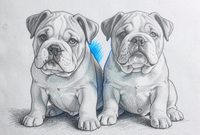
Bulldog Puppies Characters You Must Know
If you own bulldogs, especially bulldog puppies, then you may want to take your time reading the explanation of the origin and history and the characteristics of these breeds. An English Bulldog is one of popular breeds of dog that is so adorable and lovely, especially the puppies. So, here are things you should know…

12 Things You Didn’t Know about the Blue French Bulldog
The Blue French Bulldog is not different from other French Bulldog except for the coloration of the dog’s fur. The dog is very masculine that makes a good companion. If you are fond of this dog, there are 12 things you didn’t know about the Blue French Bulldog. What are they? Check them out in…
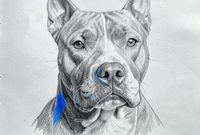
Everything You Should Know about Blue Nose Pitbull
If you ever heard about Blue Nose Pitbull, what you have in mind is that they are a dangerous and fierce breed of dogs. However, you can’t judge the book from its cover, right? Yes, even if they are physically strong and scary looking dogs, Blue Nose Pitbull is actually friendly dog. Therefore, here are…
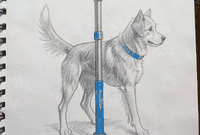
Upgrade Physical Condition With Flirt Pole Dog Training
A pole flirt is also called a flirt stick, a sports equipment for dogs that can lure a dog to pursue the bait. The bait from the tool moves quickly, which makes the dog feel happy and challenged. This equipment is often used to train the physical condition of the dog that aims to improve…
Things You Need to Understand About Reactive Dog Training Tips
How to teach your dog loose-leash walking without pulling
How to teach your dog loose-leash walking without pulling starts with changing what your dog learns when the lead becomes tight. A dog that braces, lunges or drags forward may be responding to movement, scent, excitement or uncertainty; it is not proof that your dog is trying to dominate you. Reward-based training, short sessions and frequent opportunities to succeed will help your dog understand that walking beside you is safe and rewarding.
Begin with suitable equipment and realistic expectations. The goal is a comfortable rhythm with intermittent, invisible contact, not constant tension or perfect heel position. In Australia, lead requirements vary between states, territories and local councils, so check the rules for every area you visit and use a standard lead wherever dogs must remain under control.
Choose gear that makes training easier
A well-fitted harness often gives a puppy or adult dog more freedom to move without pressure around the throat. A Y-shaped or front-clip design can provide an extra steering point, but no harness will create calm walking by itself. Check that the straps do not rub, restrict movement or encourage your dog to back out of the harness. A padded, ordinary collar may still suit a dog that is comfortable in a harness, provided it is correctly sized.
Use a fixed-length lead around 1.5 metres long for everyday training. A longer line can be useful in a quiet, secure area, but excessive length makes it harder for your dog to understand where you want it to walk. Keep the lead attached even when using a harness, and never jerk it upwards or punish your dog for moving towards you. Owners seeking extra background on equipment and behaviour can explore these practical training resources before beginning.
Carry treats in a waist pouch or treat bag so both hands remain available. Australian pet shops and online pet stores commonly carry small training treats, dental sticks and freeze-dried snacks, but your dog’s motivation matters more than the brand. Cut ordinary treats into tiny pieces, test them in a quiet room and reserve something especially tasty for training near distractions.
Set a clear reward system
Choose one marker signal, such as “yes”, “good” or a clicker, and pair it immediately with a reward. Delivery timing is crucial: mark the exact moment your dog shifts its weight towards you, takes a step in the correct direction or stops pulling, then give the treat while it is still making that choice. Your dog should connect the reward with the behaviour, rather than learning that treats appear randomly.
Deliver most rewards beside your thigh rather than reaching over your dog’s head. This encourages your dog to remain close and prevents the treat from pulling its nose away from your body. A marker can help you pinpoint the behaviour, but many dogs quickly learn to watch your hand. As that happens, reduce the number of visible treats while keeping occasional rewards unpredictable.
The marker should predict the reward rather than replace it. If you always say “yes” before delivering food, your dog may begin anticipating the treat rather than listening. Eventually, use your everyday walking cue, such as “let’s go”, and reward a few steps of loose walking without marking every individual step.
Pick an easy place to begin
Start somewhere your dog can succeed without becoming overwhelmed. A quiet hallway, living room, car boot or low-traffic suburban footpath gives you room to work before you encounter other dogs, traffic and passing bicycles. If your dog cannot eat while the lead is slack, move further away from the distraction rather than repeating the exercise in the same busy spot.
Public spaces offer useful progression once the basics are reliable. Melbourne’s Royal Parks include designated off-leash areas, although you must follow the signs and keep your dog under control when required. At Bondi and other Sydney beaches, on-leash and off-leash access can change with seasonal wildlife restrictions. An Australian oval, park or beach path may look spacious, but your dog still needs to be on lead unless the site rules expressly allow otherwise.
Use each location for a specific stage of learning. Practise the marker and reward at home, walk beside other dogs from a distance, then work closer only when your dog can respond. This gradual approach is more effective than expecting a distracted dog to remember every lesson it learned in a quiet kitchen.
Use a step-and-release sequence
Begin beside your dog and lure its nose gently towards your thigh. As soon as its body aligns with you and the lead softens, mark and reward. Then say your walking cue and take one step. Your dog may initially follow the lure rather than the cue, so reward the first quiet step and build from there.
If your dog moves forward and tightens the lead, stop walking rather than pulling back. Hold still, avoid repeating the cue and wait for your dog to look towards you or ease the pressure. You can then mark the safer choice and reward it. Moving backwards can trigger more pulling, while reeling your dog towards you may teach it that the lead means an abrupt jolt.
A simple five-minute routine
- Stand beside your dog and lure its nose towards your hip.
- Mark the correct position and deliver a treat while the lead is loose.
- Say “let’s go”, take one step and reward your dog for coming with you.
- If tension returns, stop, wait and reward the moment your dog checks in.
Repeat each successful step rather than rushing through the whole routine. Five focused minutes with a clear reward is more useful than a long walk filled with frustration. End while your dog is still doing well, even if that means practising only three or four steps before taking a break.
Manage distractions without a fight
Increase difficulty gradually by changing one thing at a time. Start with a shorter walk, then extend the duration, choose a busier path or allow your dog to see another dog from farther away. If your dog stops eating, fixates on another animal or begins lunging, return to a distance where it can respond again.
Other dogs, cyclists, skateboards and traffic can make a lead feel restrictive. Create space by changing direction, moving behind a parked car or asking your dog to sit. Reward looking towards you before it reacts. Do not punish barking, growling or snapping, because these signals may indicate fear, uncertainty or an unpleasant experience that needs professional assessment.
Many Australian owners call their daily outing “walkies”, while a shorter “arvo walk” usually means a relaxed daytime stroll. Keep those outings pleasant, but do not let the name replace training. Even a dog that behaves beautifully at home needs practice around familiar neighbourhood sights and sounds.
Support exercise and mental enrichment
A physically tired dog is not automatically a well-trained walker. Some dogs pull because they are excited, while others pull because sniffing is more rewarding than walking beside you. Let your dog investigate scents within safe boundaries and reward calm movement. A relaxed sniff walk can provide valuable mental exercise without requiring constant heelwork.
At home, give your dog safe opportunities to use its brain between outings. Scatter some of its daily food across a mat, hide a few pieces under chairs or create a brief scent-search game. For puppies that need more engagement, this guide to interactive dog toys provides ideas beyond standard chews.
Rotate toys rather than leaving everything available all day, and supervise puzzles that could be swallowed or damaged. Food-based enrichment should still count towards your dog’s daily intake. Mental activities support training because a dog that has practised making choices is more likely to pause and think when a squirrel appears during a walk.
Track progress and troubleshoot setbacks
Define success in small stages. Your dog might first walk quietly for three steps, then for thirty seconds, then while another dog passes at ten metres. Reward each stage before increasing the challenge. Recording short notes about distractions, rewards and successful distances can reveal whether progress is genuine or merely happening in one easy location.
Signs that call for a reset
- Pulling returns after only a few steps: reduce the distance and reward more frequently.
- Your dog ignores food: check for pain or anxiety and move farther from the distraction.
- Your dog flinches when touched near the collar: stop pressure-based training and seek veterinary advice.
- Lunging towards dogs, bikes or traffic: increase distance and obtain help from a qualified behaviour professional.
A setback does not mean returning to harsh methods or harsher equipment. Check the fit of the harness and lead, identify whether your dog is responding to fear or excitement, and adjust the environment before repeating the task. If pain, injury or sudden changes in behaviour are involved, contact a veterinarian, as pulling can worsen an underlying problem.
Consistency matters more than perfect timing on every repetition. Reward the first quiet step, pause when the lead tightens and make each walk predictably pleasant. With regular short sessions and gradual exposure, loose walking becomes a familiar habit rather than a behaviour your dog must be dragged through.
[Cadaver Dog Training] Dogs Can be Trained in Their Smell to Find Illicit Goods
Dogs are animals that can help human work. Dogs can help humans in hunting, guarding goats, carrying burdens, saving, searching, securing, guiding, even dogs can be used for psychological therapy. To be able to do various things that are useful, then the dog needs to be given proper and intensive training. This training can be…
How to Train a Blind Dog?
Dogs are born not yet understand how to play, urinate or dirt in the right place. Moreover, if your dog is born or because other causes have blindness. So you have to train it with extra. Therefore, you need the right how to train a blind dog. You may have to spend several months teaching…
How to Train a Dog to Stop Barking?
Barking is a natural sound of dogs, but barking can be problematic if not controlled. If your dog has an irritating barking habit, then you need to teach him to behave in a tantalizing and barking manner when having a definite cause. How to train a dog to stop barking this should be done slowly…
Trusted Dog Training in Harrisburg PA
There might more than ten places for dog training in Harrisbug, PA. No wonder, you might have difficult time to make up your mind and choose one. If you take a look at the service, they can be similar in many ways. Thus, to find the most suitable one, you need to observe closer how…
Trying to find the great place for dog training in Gainesville FI?
Trying to find the great place for dog training in Gainesville FI? Then you probably have difficulties with your dog; either it is your puppy or your aged dog. Another possible reason is you want specific training for your dog, possibly a service dog. There are answers for each question, and every training center also…
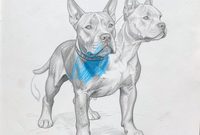
How Can You Tell What Types of Pit Bulls You Have?
There are so many types of pit bulls that you can have in your house. Pit Bulls are undoubtedly a type of dog that almost all dog lovers adore. This kind of dog have some charm and attraction that no one can deny. From all of the types, there the some types that people like…
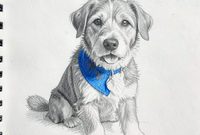
The Best Therapy Dog Training at AZ
If you have problems with anything and you live in Arizona, then it is recommended for you to go to therapy dog training at AZ. There are a lot of therapy places for human and dogs there. You can choose base on what problems you have. For your reference, here is some therapy dog training…
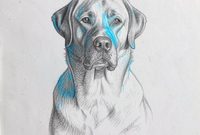
This Is What We Think About Starmark Pro Training Dog Collar
A product named Starmark Pro training dog collar recently creates the headlines for being the most comfortable and trusted tools in dog training. It is recommended by many trainers and magazine as the must have item for those who are currently training their dogs. This level of reputation must have a good background and reasons.…

Advanced and Excellent Dog Training in Columbia Md
It is not too much to ask the upgraded version of dog training in Columbia, MD. Almost all of the training centers offer beneficial program to train the dog based on owner’s request. The amazing point is in each program, you, the owner, will be enriched with appropriate information about dog training. Find more information…

Best Dog Training Shock Collars Reviews
If you are looking for the best dog training collars reviews, you clicked the right article. There is no point in letting your dog misbehaving; therefore you should tame it immediately. These shock collars won’t give harm to your dog as it will act only as a reminder to it. Sportdog Field Trainer 425 You…
Top Places of Dog Training in Chico Ca
Finding the best dog training in Chico, CA might not be as easy as expected. There are a lot of training centers offering their programs to you, the costumers. As the owner of four legged pet at home, you cannot help but agree that they sometimes give you a hard time. Thus, you need help…
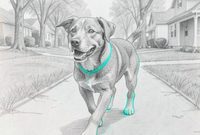
Choose Your Favorite Dog Training center at Winston Salem
If you stay at Winston - Salem and you are about to train your dog but you do not know yet where to go, maybe you should try these Dog Training centers at Winston Salem. They offer you the best service that your dog will ever receive. No matter what type of your dog is, a…
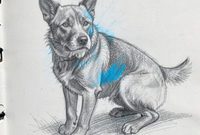
Proper Coon Dog Training
Coon dog training refers to set of activities to familiarize the four legged mammal that bred especially to hunt raccoons. It has high energy level to match the activity it is supposed to perform. To steps on proper coon dog training, you have to know when the appropriate age to start is and how to…
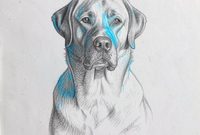
The Best Dog Training in Salt Lake City
Are you a dog owner who lives in Salt Lake City and in search of dog training that City? If you do, then you have just found the right article. You might have a doubt in trusting people to take care of your dog. Rests assure, these are the best dog trainings you can count on:…