William Dodson — widely known as the "Caitlyn the dog abuser" after he pleaded guilty to animal cruelty last year — was denied parole Wednesday. He will serve out the six-month remainder of his sentence. In March, the 43-year-old was sentenced to serve five years in state prison after he pleaded guilty to felony ill…
THIS POOR ADOPTED DOG RETURNS TO THE SHELTER TWELVE TIMES – THEN THE STAFF REALIZE THE HEARTBREAKING TRUTH!
In the following heartbreaking story, you’ll get to meet Gumby. Our frien is around four years old and has had major problems finding a home. He’s been adopted by several families, but was returned to the shelter every time, where numerous other four-legged friends were also waiting to get to a family. The question is, why did Gumby…

NYC Subway Bans Dogs Unless They Fit Into A Bag, And New Yorkers’ Solution Is Hilariously Clever
New York City Subway decided to implement a new rule which entails the prohibition of dogs on the subway unless they fit into a bag. It obviously implied that big dogs couldn’t travel through the subway, however, since they didn’t really put up any weight limitations in the rule, dog owners managed to bend the…

What Dog Breed Are You? The Most Popular Types of American Dog
What dog breed are you looking for for a companion in the house? Many houses in America has adopted or purchased dog. If you don’t know what breed you want, probably you can learn something from the most popular list below. When many people choose certain dog breed, then it means the breeds have something…

How Can You Tell What Types of Bulldogs You Have
Are you wondering about the types of bulldogs that currently live together with you? Or probably you adore a bulldog you saw recently in the park? To be able to determine the type of a bulldog, you should pay attention to three things: the size, the shape of face, and the shape of legs. Types…
Some Trusted Newfoundland Dog Breeders
Finding certified Newfoundland dog breeders is a must. Otherwise, you will meet some illegal breeder that will make the dog look “appealing” and “pretty” just to get your attention. Later on when your loving pet got sick, the breeder cannot be contacted. Therefore, you need to have some trusted breeders in your pocket. Jalynn Kennel…
In Our Review : Gravy Train Dog Food
Gravy Train is a commercial dog food from America that was developed by General Foods. This Gravy Train dog food is owned by Big Heart Pet Brands, a subsidiary of the Del Monte Pet Products group. There are various types of dog food produced by Gravy Train. Some of which are Gravy Train dried foods…

American Bulldog Puppies Info Before You Own Him
Voted for their loving and caring nature, american bulldog puppies still keep the top position for the most favorite pet. Even though bulldogs are popular for its high energy level, there are some breeds that could match the pace of the couch potato person. If you plan to adopt or buy one, this is only…

Bulldog Puppies Characters You Must Know
If you own bulldogs, especially bulldog puppies, then you may want to take your time reading the explanation of the origin and history and the characteristics of these breeds. An English Bulldog is one of popular breeds of dog that is so adorable and lovely, especially the puppies. So, here are things you should know…

12 Things You Didn’t Know about the Blue French Bulldog
The Blue French Bulldog is not different from other French Bulldog except for the coloration of the dog’s fur. The dog is very masculine that makes a good companion. If you are fond of this dog, there are 12 things you didn’t know about the Blue French Bulldog. What are they? Check them out in…

Everything You Should Know about Blue Nose Pitbull
If you ever heard about Blue Nose Pitbull, what you have in mind is that they are a dangerous and fierce breed of dogs. However, you can’t judge the book from its cover, right? Yes, even if they are physically strong and scary looking dogs, Blue Nose Pitbull is actually friendly dog. Therefore, here are…
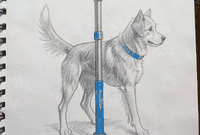
Upgrade Physical Condition With Flirt Pole Dog Training
A pole flirt is also called a flirt stick, a sports equipment for dogs that can lure a dog to pursue the bait. The bait from the tool moves quickly, which makes the dog feel happy and challenged. This equipment is often used to train the physical condition of the dog that aims to improve…
Things You Need to Understand About Reactive Dog Training Tips
Puppy socialisation: a week-by-week guide for Australian owners
A puppy's first months shape how the world feels for the rest of their life. Vets and behaviourists point to the window between three and fourteen weeks as the primary socialisation period, when the brain is learning that new sights, sounds, surfaces and people are safe rather than frightening. Get it right and you get a dog who walks past buses without flinching. Get it wrong and you get an adult who barks at visitors or refuses to leave the yard.
Week-by-week means sequencing, not flooding. It is about small, positive, predictable steps that build on what the puppy already handles calmly: a pup who tolerates a vacuum today meets a handheld vacuum next week. Progress beats volume, and every stage below assumes that kind of plan rather than a checklist to race through.
Australia gives puppies a strong head start. Backyards, verandahs, front decks and the beach are ordinary parts of life here, while owners juggle hot footpaths in Brisbane and Townsville, leash rules in Victoria, council registration in Melbourne, Sydney, Adelaide and Perth, and trains and trams that welcome leashed dogs. Puppies also meet a particular mix of people and dogs early: tradies in work boots, kids on scooters, and neighbours' dogs dragging leads down the footpath.
None of it happens without the vet's say-so. Most puppies receive their first vaccinations at six to eight weeks and a second set around ten to twelve, so a fully protected social life usually begins in month three rather than month one. Until then, safe socialisation happens at home, in a vaccinated friend's yard, in a carrier, or in the arms of a confident adult. Ask your veterinary clinic which puppy classes they run and what proof of vaccination they need.
Why the early weeks matter so much
A young puppy is rewiring its stress response every hour it is awake. The circuitry that triggers fear is fully functional long before the part of the brain managing it matures, which is why a pup can panic at a cardboard box and settle seconds later. Each calm repetition — a bowl clicking, a harness buckling, a lawn mower starting — stores a memory of safety. Repetition now costs minutes; the same lesson later costs months.
This is also the only stretch of life when most dogs learn without much consequence. An eight-week-old pup takes to a lead in an afternoon; the same lesson at eight months takes weeks, and at three years it can undo months of work. Owners who enrol in structured classes early tend to report calmer dogs in the vet's waiting room, and behaviourists see the same pattern again and again.
Quality still beats quantity. Two hours at a busy dog park on day one teaches a puppy little except overwhelm. Keep sessions short, finish while things are still fun, and write down what worked. If you prefer guidance in person, an in-home training session works through your puppy's actual triggers — your front door, your car, your family's boots — rather than a generic classroom.
Weeks one to four: safety, handling and household confidence
Week one belongs to the puppy's own territory. Let them settle, introduce the crate or play pen, and begin handling you will need later: feet lifted one at a time, paws touched for nail trims, ears rubbed, mouth checked for teething, a towel run over the body. Reward each second of calm handling. Sit down for a minute, then three, then five.
Week two adds doors and machinery. Run the vacuum and blender while the puppy eats. Play the doorbell and the garage motor on your phone. Introduce the harness and lead, then hang them on the hook so the object itself is unthreatening. Feed in different rooms, walk on carpet, tiles, grass and gravel, and give a safe chew while you work from home.
Week three is when short outings begin. Sit on a bench at a quiet park with the puppy in your arms and let them watch children, bikes and dogs from a distance. A brief lead walk on a quiet street in the early evening, before the footpaths heat up, beats a long midday one. If your puppy has had only one vaccination, skip the ground where unknown dogs have been and use a vaccinated friend's yard instead.
Week four suits milestone errands. A quick veterinary visit for a treat and a weigh-in can be genuinely boring, which is the point. Ask when the next vaccination is due and whether they run a class. Keep sessions under fifteen minutes, and remember that three good days in a row beat one spectacular outing.
Weeks five to eight: the socialisation window opens
By week five your puppy has had two vaccinations and starts looking like a small dog. Socialisation becomes most rewarding and most easily overdone. Keep the rule of one new thing per outing, plenty of pauses and a clear exit plan. A puppy class in a suburban hall, a quiet corner of a Sydney café, or a train platform outside peak hour teaches more than a frantic trip to a busy market.
Watch the body rather than the bark. Lip licking, a turned-away head, tucked tail, heavy panting, freezing or repeated startle mean the puppy has had enough. Add distance, drop a treat, or leave. Three seconds of something good before you go keeps the last memory of that experience positive.
Breed matters, and some owners want guidance shaped around their dog. Japanese breeds such as the Shiba Inu, Akita and Kai Ken have strong views about handling, strangers and other dogs, and are increasingly common in Australian homes. Breed-focused trainers tend to stress consent-based handling, careful leash manners and no forced greetings, so Sobaka Kot's breed-focused methods are worth reading before a Shiba pup meets the neighbourhood.
Two Australian realities belong in this window. Heat: concrete and bitumen can burn pads through the middle of a January day, so walk around seven in the morning and after five in the afternoon. Law: most Victorian public places require dogs on lead, and councils set rules for off-leash areas and waste bins. Ask your council what applies to your suburb before letting go of the lead.
Weeks nine to twelve: outings, manners and other dogs
From week nine, aim for a puppy who can cope with ordinary life: the school run, a shopping centre, a hairdresser, a groomer, a busy café. Build distance gradually from whatever still frightens them, and use your body as a reference point — walk past a parked ute together, sit on a low wall while traffic passes, let the puppy choose whether to approach. Short and successful beats long and distressing.
Other dogs need their own plan. Classes teach manners between puppies, while vaccinated adults in a quiet home show how to disengage and be polite. Off-leash parks such as Adelaide's fenced dog parks or Perth's designated exercise zones give room to run, but wait until your dog is vaccinated, responsive to recall and physically able to keep up. Public transport is another everyday lesson: leashed dogs ride Sydney trains, while Melbourne trams require dogs to be held securely or carried in a closed container.
Household skills come to the fore. Practise recall in the garden with a long line, reward the response instantly, and never call your puppy to you for something unpleasant. Teach waiting at doors, settling on a mat and leaving dropped food alone. Brief the children explicitly: no hugging, no climbing over a sleeping dog, and no child left alone with a puppy. Organise play in the backyard rather than the front verandah next to the neighbour's terrier.
Use a quiet afternoon for the admin. Register with your council, get microchipped, and ask your vet about desexing, commonly discussed around six months in Australian practice. Take out pet insurance before the first accident rather than after it, and settle on a food routine using the puppy formulas stocked at Coles and Woolworths — Black Dog, Royal Canin or Eukanuba — so the diet stays steady as your dog grows.
After the first three months: keeping the plan alive
Socialisation does not end at twelve weeks. Many dogs hit a later fear period around eight to eleven months, when a confident puppy suddenly balks at things they used to ignore, and some go through another around two to three years. Keep the same rules: small steps, good treats, no forcing. A familiar route with a scatter feed of food often beats a new adventure every weekend.
Choose the people who support you carefully, because you will need advice for years. Look for trainers and schools that answer questions between sessions, provide written plans and can explain their reasoning rather than promising a fix in one visit. Response time and aftercare are worth comparing before you buy a package, and a customer support comparison is a reasonable way to judge which providers answer messages quickly and resolve problems fairly. Your vet is the other half of the team, especially for nutrition, teething and any sudden change in behaviour.
The stages, their focus and the signals to watch at each age:
| Stage | Main focus | Typical settings | Watch for | Australian note |
|---|---|---|---|---|
| Weeks 1–4 | Handling, household sounds, settling alone | Home, a vaccinated friend's yard, carried outings | Startling, avoidance, constant vocalising | Brief evening walks only; avoid public ground until fully vaccinated |
| Weeks 5–8 | People, places, surfaces, transport | Puppy class, quiet café, train platform | Lip licking, freezing, tucked tail | Walk before 7am and after 5pm in summer; leads on in Victoria |
| Weeks 9–12 | Other dogs, recall, handling by family | Off-leash park, groomer, vet, school run | Ignoring recall, fear of previously fine things | Use council dog parks; register and microchip the puppy |
| Beyond 12 weeks | Maintenance through later fear periods | Familiar routes, group classes, boarding | Sudden wariness around 8–11 months | Pet insurance, desexing plan, annual council registration |
If your puppy is eight weeks old this month, the work starts now: one household task a day, one calm outing a week, and a short note of what went well. Build the plan around the puppy in front of you rather than the one in your head, and the rest of the calendar takes care of itself.
[Cadaver Dog Training] Dogs Can be Trained in Their Smell to Find Illicit Goods
Dogs are animals that can help human work. Dogs can help humans in hunting, guarding goats, carrying burdens, saving, searching, securing, guiding, even dogs can be used for psychological therapy. To be able to do various things that are useful, then the dog needs to be given proper and intensive training. This training can be…
How to Train a Blind Dog?
Dogs are born not yet understand how to play, urinate or dirt in the right place. Moreover, if your dog is born or because other causes have blindness. So you have to train it with extra. Therefore, you need the right how to train a blind dog. You may have to spend several months teaching…
How to Train a Dog to Stop Barking?
Barking is a natural sound of dogs, but barking can be problematic if not controlled. If your dog has an irritating barking habit, then you need to teach him to behave in a tantalizing and barking manner when having a definite cause. How to train a dog to stop barking this should be done slowly…
Trusted Dog Training in Harrisburg PA
There might more than ten places for dog training in Harrisbug, PA. No wonder, you might have difficult time to make up your mind and choose one. If you take a look at the service, they can be similar in many ways. Thus, to find the most suitable one, you need to observe closer how…
Trying to find the great place for dog training in Gainesville FI?
Trying to find the great place for dog training in Gainesville FI? Then you probably have difficulties with your dog; either it is your puppy or your aged dog. Another possible reason is you want specific training for your dog, possibly a service dog. There are answers for each question, and every training center also…
How Can You Tell What Types of Pit Bulls You Have?
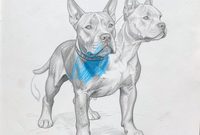
There are so many types of pit bulls that you can have in your house. Pit Bulls are undoubtedly a type of dog that almost all dog lovers adore. This kind of dog have some charm and attraction that no one can deny. From all of the types, there the some types that people like…
The Best Therapy Dog Training at AZ
If you have problems with anything and you live in Arizona, then it is recommended for you to go to therapy dog training at AZ. There are a lot of therapy places for human and dogs there. You can choose base on what problems you have. For your reference, here is some therapy dog training…

This Is What We Think About Starmark Pro Training Dog Collar
A product named Starmark Pro training dog collar recently creates the headlines for being the most comfortable and trusted tools in dog training. It is recommended by many trainers and magazine as the must have item for those who are currently training their dogs. This level of reputation must have a good background and reasons.…

Advanced and Excellent Dog Training in Columbia Md
It is not too much to ask the upgraded version of dog training in Columbia, MD. Almost all of the training centers offer beneficial program to train the dog based on owner’s request. The amazing point is in each program, you, the owner, will be enriched with appropriate information about dog training. Find more information…

Best Dog Training Shock Collars Reviews
If you are looking for the best dog training collars reviews, you clicked the right article. There is no point in letting your dog misbehaving; therefore you should tame it immediately. These shock collars won’t give harm to your dog as it will act only as a reminder to it. Sportdog Field Trainer 425 You…
Top Places of Dog Training in Chico Ca
Finding the best dog training in Chico, CA might not be as easy as expected. There are a lot of training centers offering their programs to you, the costumers. As the owner of four legged pet at home, you cannot help but agree that they sometimes give you a hard time. Thus, you need help…
Choose Your Favorite Dog Training center at Winston Salem
If you stay at Winston - Salem and you are about to train your dog but you do not know yet where to go, maybe you should try these Dog Training centers at Winston Salem. They offer you the best service that your dog will ever receive. No matter what type of your dog is, a…
Proper Coon Dog Training
Coon dog training refers to set of activities to familiarize the four legged mammal that bred especially to hunt raccoons. It has high energy level to match the activity it is supposed to perform. To steps on proper coon dog training, you have to know when the appropriate age to start is and how to…

The Best Dog Training in Salt Lake City
Are you a dog owner who lives in Salt Lake City and in search of dog training that City? If you do, then you have just found the right article. You might have a doubt in trusting people to take care of your dog. Rests assure, these are the best dog trainings you can count on:…