
It’s that time of year. Red and green are making a colossal comeback in virtually every retail display and store window we encounter and, as part of a long-standing, American hometown holiday tradition, most main thoroughfares are virtually thrumming with twinkling colors. As the Christmas carol “Silver Bells” so tunefully sums it up, “Strings of street lights / Even stop lights / Blink a bright red and green…”
Click here to read this article in its original magazine format.
This is certainly a creative way to think about stop lights, whose “bright red and green” flashes send a more definite message than their foreshadowing yellow counterpart. Of course, yellow isn’t synonymous with the holiday season as its more festive color counterparts, but given the excess crowds, heavy shopping traffic and celebratory sounds ringing from nearly every street corner, maybe it should be — at least, perhaps, for those of us who love dogs. In fact, thanks to a growing initiative known as The Yellow Dog Project, yellow is being used to share a worthwhile reminder about canine well-being every day of the year.
Created to identify dogs who need a bit of extra space, The Yellow Dog Project is designed to promote public awareness and assist pet parents in identifying whether their own pup might be a “Yellow Dog.” Contrary to popular misconception, these dogs are not necessarily aggressive or behaviorally damaged. Many are lovable pups who simply struggle with issues of anxiety; deal with daily aches and pains; or aren’t yet sufficiently socialized to react in predictable ways. It is misguided to stigmatize Yellow Dogs as “problem dogs” and going back to the analogy of traffic signals may offer us a more constructive way of thinking: Yellow merely means wait, as in wait before you step forward to interact. Approach with awareness, compassion and caution, which is sage advice when encountering any new dog.
Over the course of her extensive work with canines, Tara Palardy, founder of The Yellow Dog Project and lead trainer at The Academy Positive Training in Alberta, Canada, would meet the occasional pup requiring special consideration. Maybe the dog was recovering from surgery; or was older, or arthritic, or small and terrified of larger dogs. In some cases, the dog was a shelter or rescue pet who had been abused or neglected. In other cases, the animal was being specifically trained for service work. Tara recognized that these types of dogs frequently benefit from some extra room as they adjust to shifting environmental factors.
Yellow Dog supporters strongly believe that fostering an understanding of canine needs can help enhance the safety and well-being of dogs and humans alike. The project’s central objective actually helps remind the public about smart ways to approach a dog in any unstructured situation. After all, as pointed out in previous issues, canines are less touch-oriented than humans. Not every pup automatically welcomes an ear scratch, an embrace or an invasion of personal space. Ensuring everyone’s well-being means helping each dog to feel an appropriate degree of safety, comfort and control.
From its humble beginnings as a local community movement in 2012, The Yellow Dog Project has expanded into a global initiative. “I had no idea thousands of people would join,” Tara says as she considers the program’s escalating popularity. “I figured some friends, other trainers… but nothing global. And surprise! Here we are.”
Perhaps this expansion offers some vital clues about the need for education. Accordingly, The Yellow Dog Project is helping lead the charge with informational materials and educational initiatives that reinforce its principal message. The program also encourages use of special yellow ribbons and bandanas that identify Yellow Dogs as needing some extra sensitivity. If you’d like to alert others about your own dog’s preference for added space, an easy option is to tie a bright yellow ribbon around his or her leash.
All of the monies and donations raised by The Yellow Dog Project support the purchase of additional ribbon/apparel material, and the creation of new educational posters for display. Caring, supportive volunteers and donors are always welcome. After all, one of the best things we can give our canine companions — during this hectic holiday season and all year long — is the gift of better understanding.
To get involved or learn more, visit www.theyellowdogproject.com. The organization can also be found on Facebook page at “The Yellow Dog Project” and Twitter at @yellowdogproj.
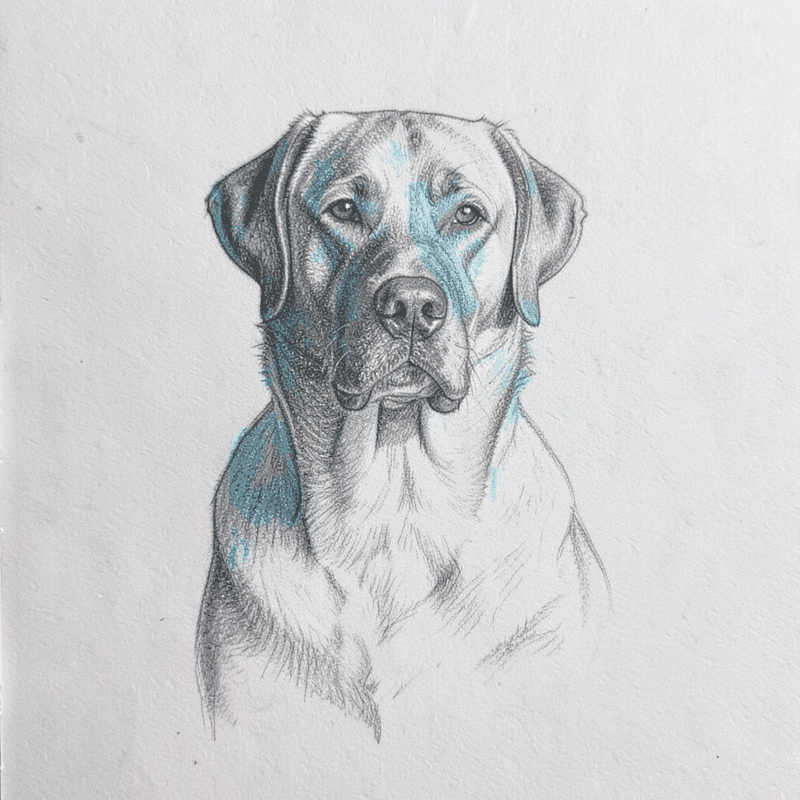
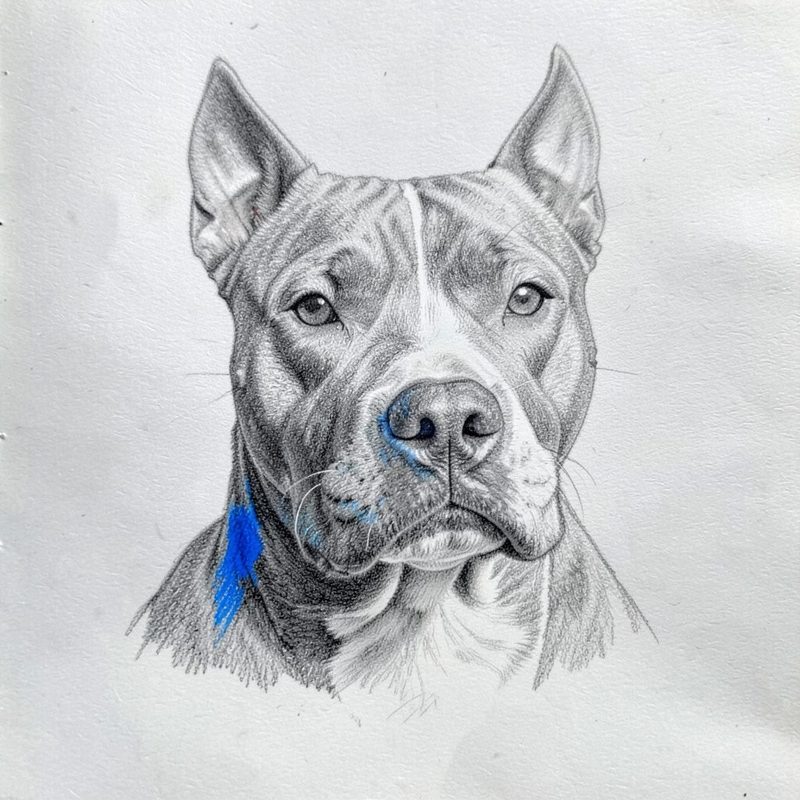
Illustration by Deb Donnelly of Tail Toons.
Recommended