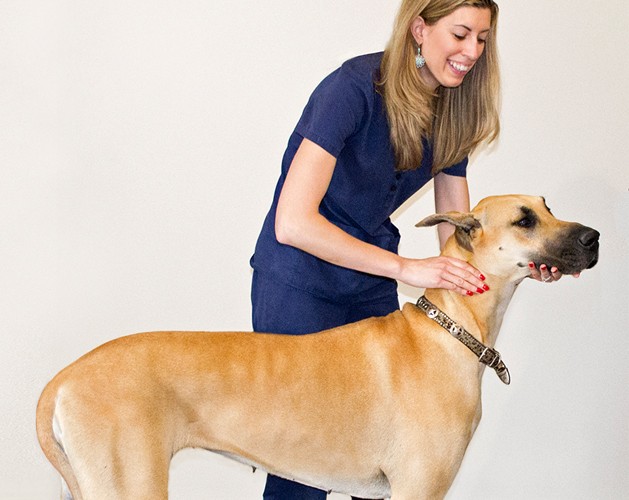
Animal chiropractic is a gentle, yet highly effective, treatment modality. It allows an animal to utilize their very own healing capabilities by restoring normal motion and position of spinal and/or extremity joints. This allows for proper functioning of the nervous system, which acts as a super highway, sending messages to every organ, tissue and cell in the entire body. Chiropractic takes the “road blocks” down through adjustments to allow the animal’s body to heal naturally through normal nerve transmission. Chiropractic works to eliminate the cause of a problem, and not simply the symptoms.
Click here to read this article in its original magazine format .
Dysfunction in the nervous system can lead to a series of illnesses or conditions. The more common conditions chiropractic patients present with are limping, abnormal posture or movement, pain, paresis, paralysis, seizures, ear infections, allergies, arthritis, tremors, muscle spasms or imbalances, inability to execute a desired movement, chewing abnormalities, performance animals, puppy or adult wellness and much more.
Neurological conditions can be related to misalignments, or “subluxations” of the upper neck where the brain stem develops into the spinal cord. Every nerve signal sent out to the body from the brain starts at this point. The subluxation causes abnormal nerve transmission, which can manifest as seizures, paralysis and ataxia (“drunken sailor gait”).
Animal chiropractic can also usually help senior dogs retain or regain function as they age. Many senior dog owners report their dog has more energy after an adjustment. Sometimes it allows them to do things that they did when they were younger once again.
“Side sitting” or “puppy sitting” many times is indicative of a pelvic or sacral issue, rather than the dog attempting to lounge. Animal chiropractic may be able to help restore normal square sitting.
Licking and chewing paws could be related to the neck. There is a bundle of nerves that leave the middle of the cervical spine and run down through the front legs. If one of these nerves is irritated, it can lead to paresthesia, the tingly sensation when your foot “falls asleep.” The same goes for the rear, but it is usually due to an irritation of the nerves in the low back and pelvic areas. If this is the cause, many times adjustments can help.
Can a dog see an animal chiropractor if nothing is wrong? Yes! “Wellness care” for pets can help prevent problems from occurring in the first place. Getting a healthy pet’s spine checked just a few times a year can greatly reduce conditions that are viewed as “normal old age conditions” such as slowing down and not going up and down stairs. It can also help reduce the risk of degenerative conditions such as arthritis. It is much easier to maintain health than to regain it. Many times, pets under chiropractic care can have improved performance, more energy, and better immune response. Additionally, chiropractic may also provide prevention for disease and injury.
Puppies can benefit from chiropractic care as well. They run, jump, and can be clumsy. Chiropractic can help ensure everything is moving properly so they develop optimally. If they are a normal, healthy puppy, a couple adjustments before 8-10 months is ideal, and then usually every three months after keeps everything in check. If they are a performance or working dog, usually a little more often can be helpful. Giant sized breeds can usually benefit from a little more often as well.
During an adjustment, every joint is checked from head to tail, and any subluxations are adjusted. This restores normal motion to the joint and allows the nervous system to function at its full potential, which allows the body to heal and thrive. Most pets enjoy their adjustments because they figure out it makes them feel better.
It is common for pets to snooze after an adjustment. The reason for this is that they feel good and are relaxed. A smaller amount of dogs do the exact opposite since they are feeling good: they want to run, jump and play!
How can you help prevent spinal injury in your dog? Here are four places to start:
1. Ideal weight is crucial! Your pet will not love you any less if you avoid feeding him french fries or a handful of treats. They will be happier and much healthier if they don’t have to carry around extra weight.
2. Avoid stress on the neck. There are many crucial structures that experience trauma from pulling on a collar, not only the cervical spine in the neck, but also major blood vessels, lymphatics and the thyroid gland as well as the throat. Using a harness instead of a collar to walk your dog can help eliminate the possibility of an injury to these areas.
3. Keep nails trimmed. Long nails will change your dog’s posture and gait. They send the signal to the brain that the dog is going uphill. This causes the dog to lean forward and bend at their knees and put stress on the back. This can cause hunching and also puts a load on the cruciate ligaments within the knee when they are only meant to stabilize. It also causes the dog’s body to recruit additional muscles in the rear to support this posture. You can imagine that walking around with bent knees causes their bodies to fatigue easy, and this is exactly what happens along with a greater risk of back and ACL injury.
4. Practice smart playtime. If your dog likes to tug, let them do the tugging. Be the holder and provide some light resistance, at most. If you pull against your dog’s tugging, especially if it is forceful, you are putting your dog at risk for injury to their cervical spine in their neck and also their TMJ (temporomandibular joint of the jaw). Additionally, repetitive fetch, especially when throwing far distances, can cause injury. Many dogs will continue to fetch past exhaustion, which makes each dive, jump, twist and turn an easy way to cause injury. Throw a few times, and then take a break in between.
If you decide to add animal chiropractic into your dog’s health care, entrust the health of your pet only to a qualified professional. AVCA Animal Chiropractors are licensed and certified chiropractors or veterinarians by the American Veterinary Chiropractic Association. By working with a Certified Animal Chiropractor, you are assured of the services of a skilled, dedicated professional who will work to provide the very best care. Directories for Certified Animal Chiropractors can be found at AVCAdoctors.com and IVCA.de.
The neat thing about animal chiropractic is that it works by a natural means. It doesn’t put anything new into the body or take anything out. It allows the body to heal itself by restoring normal nerve flow. Chiropractic can be beneficial for a variety of conditions, and to help maintain health. Whether it’s an injured animal, performance animal or a family companion, chiropractic can be a simple way to make a positive impact in their health and a wonderful addition to their regular veterinary care.
About the Expert
After achieving a Bachelor’s of Science at Eastern Illinois University, Dr. Erin O’Connor attended chiropractic school at Palmer College of Chiropractic in Davenport, Iowa, where she earned her Doctor of Chiropractic. She then attended Parker University in Dallas, Texas to become an AVCA certified animal chiropractor. Additionally, she furthered her education to become certified in carnivore nutrition by the American Council of Animal Naturopathy.
Dr. O’Connor is co-owner of Vitality Chiropractic Center in Aurora, Illinois, where she works alongside her husband, Dr. Paul Nottoli. Together, they provide whole family care to people and pets. Their practice has been recognized locally with numerous awards, such as Best of Naperville Winner and Small Business of the Year Nominee.
The most common animals Dr. O’Connor adjusts are dogs and cats, but she also sees exotics and wildlife. In addition to running her practice, Dr. O’Connor provides chiropractic care at Autumn Green Animal Hospital in Geneva once a week, volunteers her services at Fox Valley Wildlife Center, provides guidance in prey model raw feeding with her business called Roaring For Raw, mentors animal chiropractic students, lectures for dog groups, and has served as an adjunct professor of anatomy and physiology at College of DuPage and President of the Holistic Chamber of Commerce.
Dr. O’Connor enjoys traveling, cooking, scuba diving, and spending time with her husband and pets, which include an Italian greyhound, border collie, and African grey parrot. To learn more about animal chiropractic for your pet or to schedule an appointment with Dr. O’Connor, please call Vitality Chiropractic Center in Aurora at 630-499-4078 or visit the website at myvitalitychiropractic.com . For appointments with Dr. O’Connor in Geneva, call Autumn Green Animal Hospital at 630-232-2222.
Recommended